Light Bulbs






 Outdoor Lights
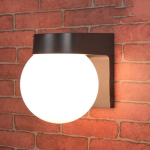
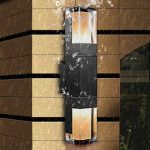
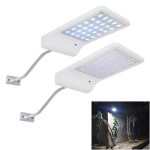
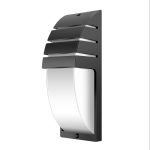

 Wall Lights







 Lamps







 Ceiling Lights






The Role of Blacklights and LEDs in Modern Laser Tag Arenas

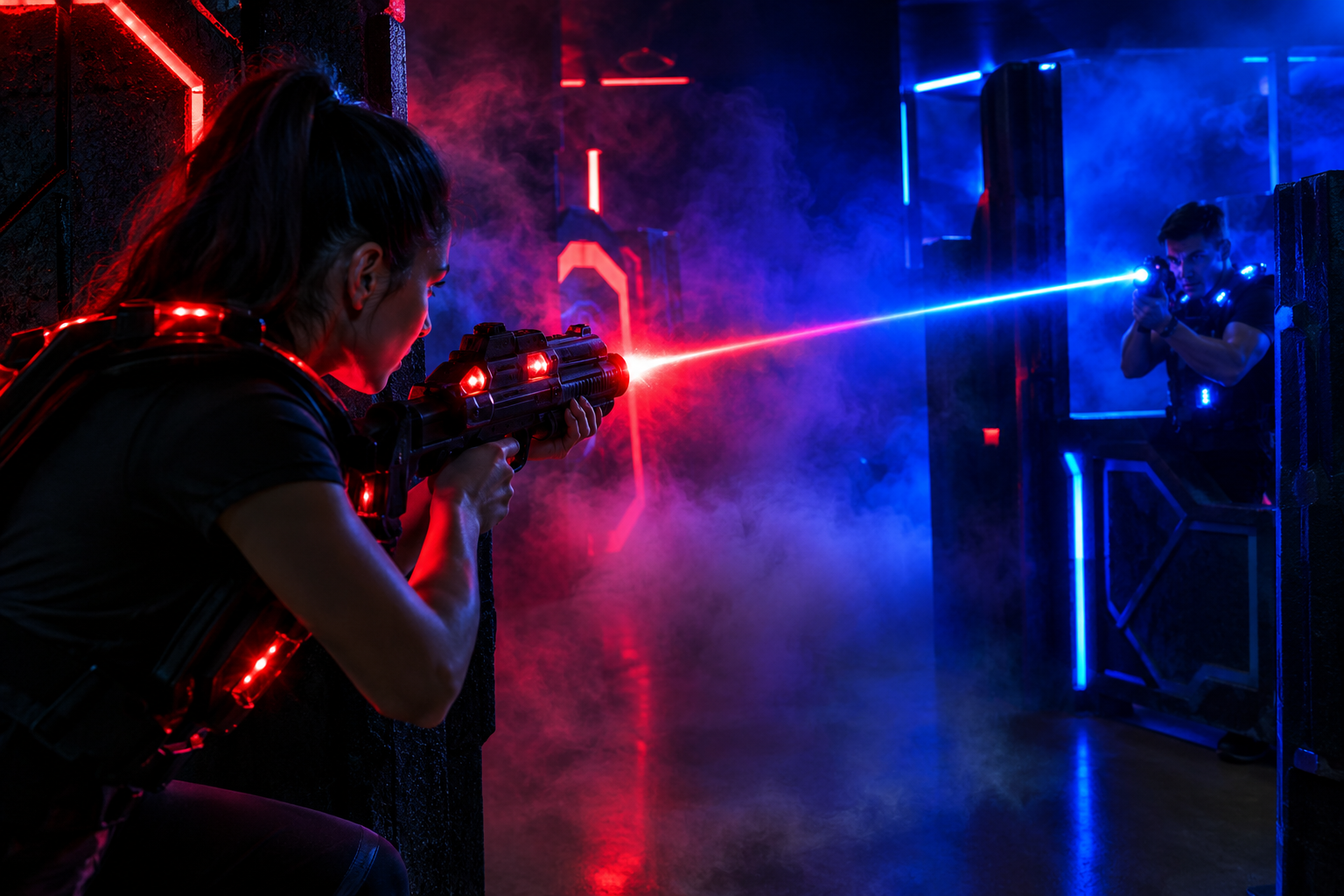
Walk into any laser tag arena and the first thing you notice isn’t the guns — it’s the lighting. Pulsing neon colors, glowing obstacles, walls that seem to come alive in the dark. That atmosphere doesn’t happen by accident. It’s carefully engineered using two types of lighting that have become the backbone of modern laser tag design: blacklights and LEDs.
Why Lighting Matters in Laser Tag
Laser tag is built on infrared technology, but the experience is built on atmosphere. Good lighting transforms a plain room into an immersive battlefield. It affects how players move, how hidden they feel, and how exciting the game actually is.
Poor lighting? Players feel like they’re running around a dimly lit warehouse. Great lighting? They feel like they’re inside a video game.
Blacklights: The Classic Choice
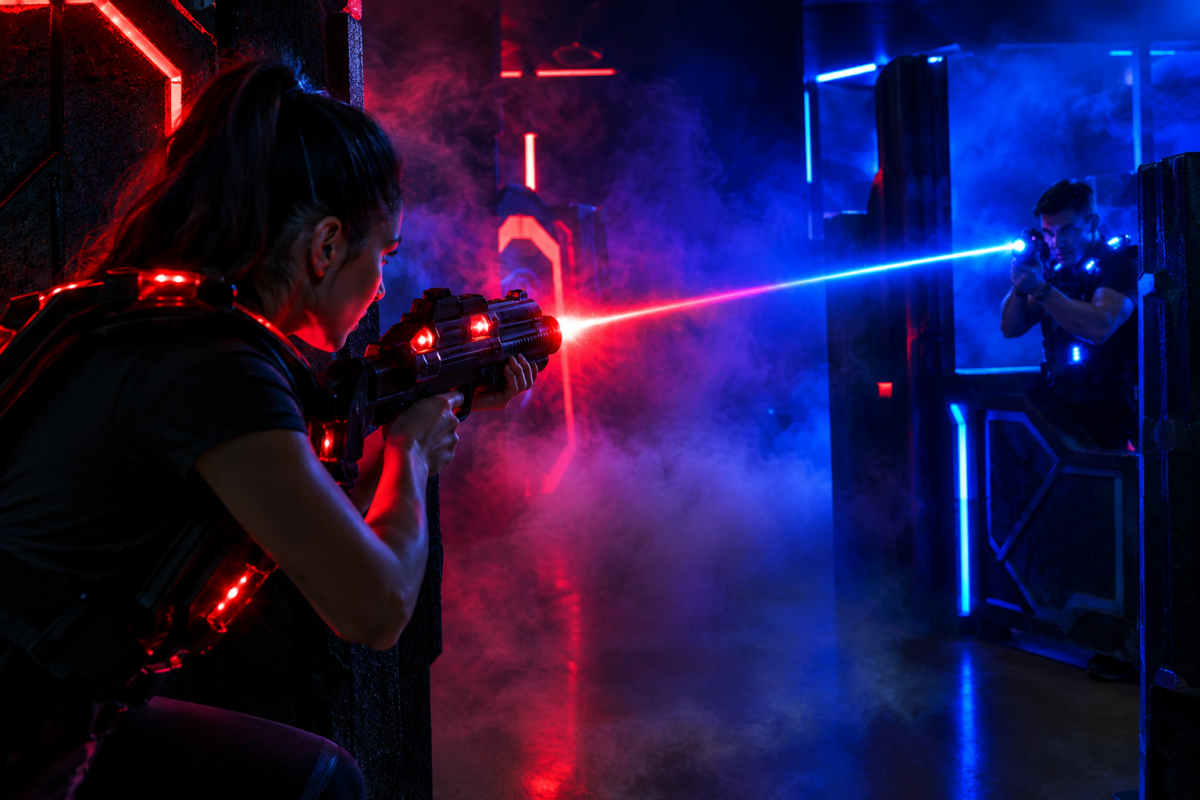
Blacklights — or UV lights — have been a laser tag staple since the very beginning, and for good reason. They create that iconic neon glow effect by reacting with fluorescent colors on walls, obstacles, vests, and player clothing.
Why arenas still use them:
- Low cost compared to full LED setups
- Creates strong visual contrast between players and environment
- Works well with fluorescent paint, tape, and signage
- Sets an immediately recognizable “laser tag” atmosphere
The downside is that blacklights offer limited control. You can’t dim them, change their color, or sync them to music or game events. What you see is what you get.
LEDs: The Modern Standard
LED technology has transformed how arenas approach lighting design. Modern laser tag venues increasingly rely on RGB LED strips, panels, and spotlights because they offer something blacklights simply can’t — full control.
Key advantages of LEDs in laser tag arenas:
- Color flexibility — change the entire arena color scheme based on game mode (red vs. blue team battles, zombie mode, etc.)
- Dynamic effects — strobes, color chases, and pulses that react in real time
- Energy efficiency — LEDs consume significantly less power than traditional bulbs
- Longevity — LED fixtures last tens of thousands of hours with minimal maintenance
- Sync capability — modern setups can tie lighting to sound systems or game software
RGB LED strips along walls and obstacles, combined with spotlights pointed at key zones, allow arena operators to create a completely different experience from one game to the next.
Blacklights + LEDs: The Winning Combination
Most well-designed laser tag arenas don’t choose one over the other — they layer both. Blacklights provide that base UV glow that makes fluorescent elements pop, while LEDs add dynamic color, depth, and movement throughout the game.
A practical setup might look like:
- UV blacklights mounted along the ceiling perimeter for consistent base glow
- RGB LED strips behind obstacles and along pathways for color effects
- LED spotlights in key tactical areas to create light and shadow dynamics
- Programmable LED panels on walls synced to game events
This combination maximizes both visual impact and gameplay experience.
Outdoor Laser Tag: A Different Challenge
Indoor arenas have full control over their lighting environment. Outdoor laser tag is a different story — and it’s a format that’s growing fast, especially for private events and birthday parties.
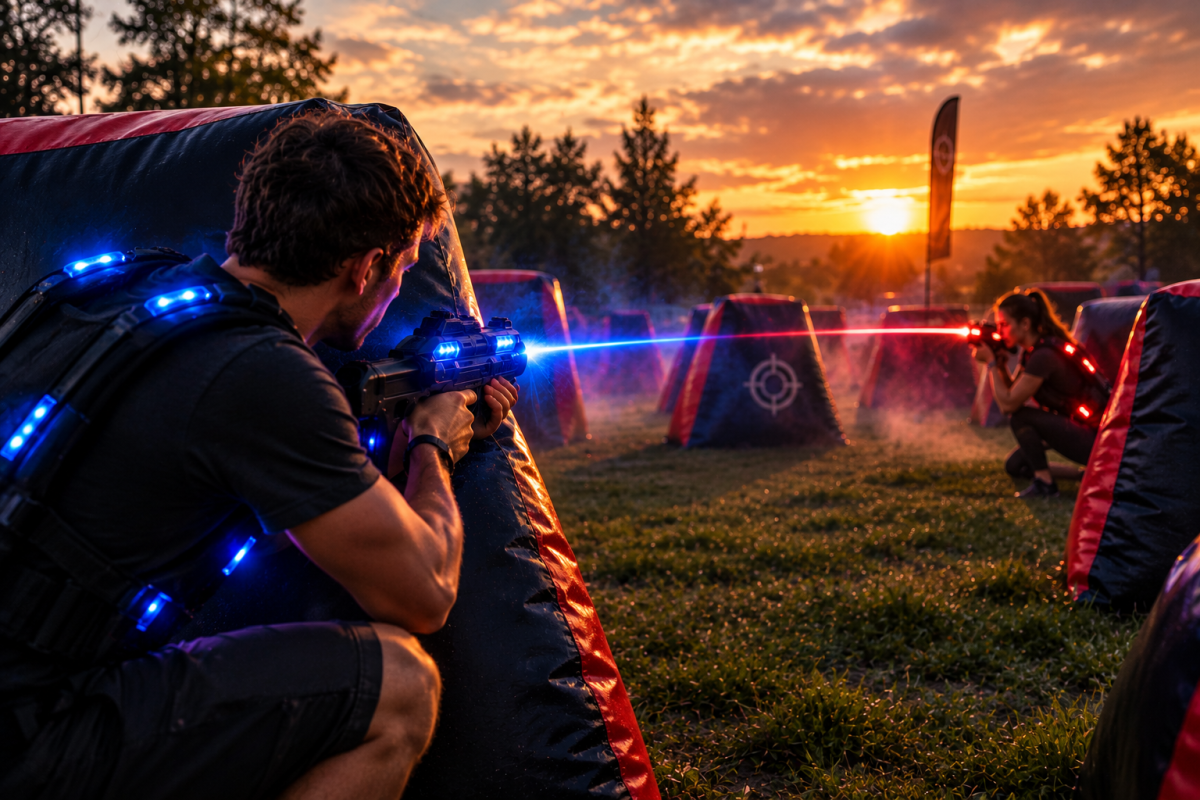
Outdoor setups rely less on environmental lighting and more on the equipment itself — high-tech blasters, tactical bunkers, and immersive game software that create the experience without needing a purpose-built arena. Companies like Mobile Laser Tag Los Angeles have built their entire model around bringing that experience directly to backyards, parks, and open spaces.
What Operators Should Know
If you’re setting up or upgrading a laser tag space, here’s a quick lighting checklist:
- Cover your UV base first — fluorescent paint and blacklights are affordable and impactful
- Add RGB LEDs progressively — start with strips along key walls and obstacles
- Consider smart controllers — DMX or app-controlled LED systems let you change scenes instantly
- Don’t over-light — some darkness is essential for the tactical feel of laser tag
- Test from a player’s perspective — walk the arena in game conditions before finalizing placement
Final Thoughts
Lighting is one of the most underestimated elements in laser tag design. The right combination of blacklights and LEDs doesn’t just make an arena look cool — it directly affects how players feel, how long they stay, and whether they come back.
Whether you’re running a permanent indoor arena or a mobile outdoor setup, investing in smart lighting pays off in player experience every single time.

Sanela Isakov
Sanela Isakov is a seasoned lighting design specialist who shares her expertise through insightful blog posts. Her articles focus on innovative lighting solutions and tips for creating stunning spaces with LED lights.