Light Bulbs
 Outdoor Lights
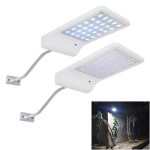
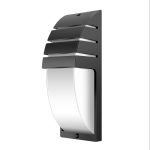

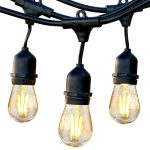
 Wall Lights

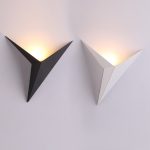

 Lamps


 Ceiling Lights


The UL error on your Whirlpool Washer means “Unbalanced Load” – the washer cannot properly distribute the load during the spin cycle. Redistributing the clothes and restarting the cycle usually resolves this issue.
| Error code | UL |
|---|---|
| Meaning | Unbalanced Load |
| Severity | Low — Normal protective function that prevents damage |
| Time to fix | 5–20 minutes |
| Tools needed | None |
What the UL error means
The UL error code indicates your Whirlpool washer has detected an unbalanced load during the spin cycle. The washer’s control board continuously monitors the drum balance, and when it detects excessive movement or vibration, it stops the spin cycle to prevent damage to internal components. This is a safety feature designed to protect the suspension system, bearings, and drum assembly from premature wear or failure.
Common causes
- Single heavy item (like a comforter or bath mat) bunched up on one side of the drum
- Mixing heavy items (towels, jeans) with lightweight items in the same load
- Overloading the washer beyond its rated capacity
- Washer not level on the floor, causing uneven weight distribution
- Worn or damaged suspension rods, springs, or shock absorbers
- Shipping bolts not removed during installation (new washers only)
How to fix the UL error
- Redistribute the load – Open the washer door and manually rearrange the clothes to distribute them evenly around the drum. Remove any items that are bunched together and spread them out. If washing a single large item, add 1-2 similar items to help balance the load. Close the door and restart the spin cycle.
- Remove excess items – If the washer is overloaded, remove some items to reduce the total weight. Whirlpool top-loaders should be filled no more than 3/4 full, and front-loaders should have enough space for clothes to move freely. Run a second load with the removed items.
- Level the washer – Use a bubble level to check if the washer is level from front to back and side to side. Adjust the leveling feet at the bottom of the washer by turning them clockwise to raise or counterclockwise to lower. The washer should be firmly planted with minimal rocking. Lock the feet in place once level.
- Check suspension components – Unplug the washer and inspect the suspension rods (top-loaders) or shock absorbers (front-loaders) for wear, damage, or detachment. Look for broken springs or loose connections. If any components are damaged, they will need replacement. This requires accessing the washer cabinet.
- Verify shipping bolts removed – If this is a newly installed washer, check the back panel for shipping bolts that secure the drum during transport. These must be removed before operation. Consult your installation manual for the specific location and number of bolts (typically 3-4).
- Run a test cycle – After making adjustments, run a small test load with mixed items of similar weight. Monitor the washer during the spin cycle to ensure it completes without the UL error. If the error persists after trying all steps, the control board or drum bearing may require professional diagnosis.
FAQ
Can I ignore the UL error and continue using my Whirlpool washer?
No, you should not ignore the UL error. While the washer prevents spinning to protect itself, repeatedly running unbalanced loads can cause long-term damage to suspension components, bearings, and the drum assembly. Address the issue promptly to avoid costly repairs.
Why does my Whirlpool washer show UL only with certain types of loads?
Heavy, absorbent items like towels, bath mats, and jeans absorb significantly more water than lightweight fabrics, creating weight imbalances during the spin cycle. These items also tend to clump together. Wash heavy items separately or in smaller loads, and avoid mixing them with lightweight clothing.
How much does it cost to repair a Whirlpool washer with a UL error?
If the UL error is caused by an unbalanced load or leveling issue, the fix costs nothing. If suspension components like shock absorbers ($50-$120 per pair) or suspension rods ($40-$90 per set) need replacement, total repair costs including labor typically range from $150-$350 depending on your location and the specific parts required.