Light Bulbs
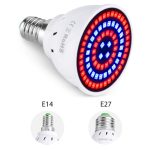
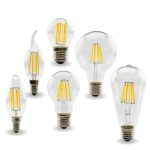

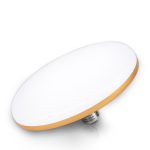

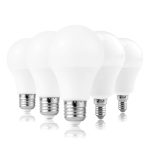
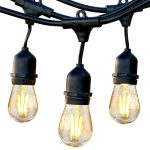
 Outdoor Lights
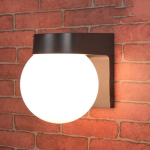
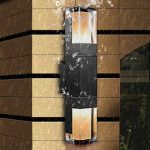
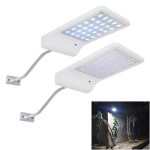
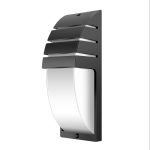

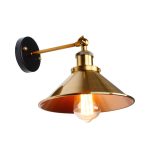
 Wall Lights





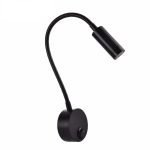

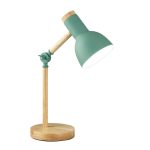
 Lamps




 Ceiling Lights







The E6 error on your LG Washer means the drum is overloaded or the laundry load is unbalanced, preventing proper spin cycles. Redistribute or remove some clothes to fix this issue immediately.
| Error code | E6 |
|---|---|
| Meaning | Overloaded drum or unbalanced load detected |
| Severity | Low — Does not damage washer but prevents proper operation |
| Time to fix | 5–15 minutes |
| Tools needed | None |
What the E6 error means
The E6 error code indicates your LG washer has detected an overloaded or severely unbalanced load that prevents the drum from spinning correctly. The washer’s internal sensors monitor drum rotation and weight distribution, and when the load exceeds capacity or becomes unevenly distributed, the machine stops the cycle and displays this error to prevent damage to internal components. This is a protective measure to avoid excessive vibration, bearing wear, and potential damage to the suspension system.
Common causes
- Too many clothes loaded into the drum, exceeding the washer’s weight capacity
- Large, heavy items like comforters or blankets clumped together on one side of the drum
- Washing a single heavy item (like a bath mat or rug) that cannot balance properly
- Mixing heavy and light fabrics that separate during the spin cycle, creating imbalance
- Clothes tangled together or wrapped around the agitator in top-load models
- Worn suspension rods or shock absorbers that can no longer compensate for minor imbalances
How to fix the E6 error
- Remove excess laundry: Open the washer door and remove approximately half of the clothes if the drum is overfilled. LG washers should be loaded only to about three-quarters full to allow proper tumbling and spinning. Overloading is the most common cause of this error.
- Redistribute the load evenly: Manually arrange the remaining clothes around the drum so they’re evenly distributed. Separate any clumped or tangled items and spread them out. Make sure heavy items are balanced with other garments rather than concentrated on one side of the drum.
- Add balancing items if needed: If you’re washing a single large item like a comforter, add a few towels to help balance the load. The washer needs multiple items to distribute weight properly during the spin cycle. Avoid washing single heavy items alone whenever possible.
- Restart the wash cycle: Close the door, press the Power button, and select your desired wash cycle again. The washer should now complete the cycle without the E6 error. If the error reappears, remove more items or further redistribute the load.
- Check washer leveling: If the error persists with properly loaded cycles, verify your washer is level on the floor. Use a bubble level on top of the machine and adjust the leveling feet as needed. An unlevel washer is more prone to balance-related errors even with normal loads.
- Inspect suspension components: For recurring E6 errors with balanced loads, the suspension rods, shock absorbers, or springs may be worn. Visually inspect these components by accessing the washer’s interior panels. If they appear damaged, worn, or broken, they should be replaced—consider hiring a professional for this repair, which typically costs $150–$300.
FAQ
Can I ignore the E6 error and force the washer to continue?
No, you should not ignore the E6 error. The washer stops to prevent damage to the motor, bearings, and suspension system that can occur from excessive vibration. Running the machine with an unbalanced or overloaded drum can lead to expensive repairs costing $200–$500 or more.
How much laundry is too much for my LG washer?
Fill the drum to no more than three-quarters full, leaving enough space for clothes to move freely. For a typical 4.5 cubic foot washer, this is approximately 12-15 pounds of dry laundry. When in doubt, it’s better to run two smaller loads than one overloaded cycle.
Why does the E6 error appear only during the spin cycle?
The washer can handle unbalanced loads during the wash and rinse cycles when the drum rotates slowly. The E6 error typically appears during the spin cycle because imbalances become critical at high speeds (800-1,200 RPM), causing excessive vibration that the sensors detect and the machine prevents for safety reasons.