Light Bulbs
 Outdoor Lights
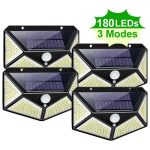
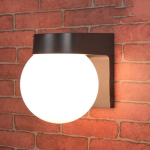
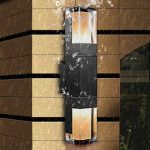
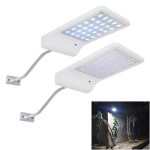
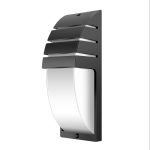

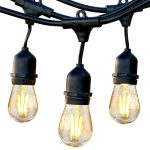
 Wall Lights

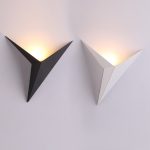

 Lamps


 Ceiling Lights



The E1 error on your Whirlpool Washer means the control board has detected a water level pressure sensor or control board communication issue. This typically indicates the washer is unable to properly detect or regulate the water level in the drum.
| Error code | E1 |
|---|---|
| Meaning | Water level pressure sensor error or control board communication failure |
| Severity | Medium — The washer will not operate properly until fixed |
| Time to fix | 15–45 minutes |
| Tools needed | Multimeter, screwdriver set, pliers |
What the E1 error means
The E1 error code indicates a problem with the water level pressure sensor system in your Whirlpool washer. This sensor monitors how much water is in the tub and sends signals to the control board to regulate the fill and drain cycles. When the control board cannot receive proper signals from the pressure sensor or detect the correct water level, it triggers the E1 error to prevent overfilling, underfilling, or other operational issues. This error prevents the washer from starting or continuing a wash cycle until the issue is resolved.
Common causes
- Faulty or clogged pressure sensor hose connecting the air dome to the pressure switch
- Defective water level pressure switch or sensor
- Blocked or kinked pressure hose with debris, detergent buildup, or calcium deposits
- Loose or corroded wire connections between the pressure sensor and control board
- Malfunctioning main control board unable to read pressure sensor signals
- Air dome trap clogged with lint, debris, or detergent residue
How to fix the E1 error
- Power cycle the washer — Unplug the washer from the electrical outlet or turn off the circuit breaker for 2–3 minutes. This resets the control board and may clear temporary glitches. Restore power and run a test cycle to see if the error clears.
- Inspect the pressure sensor hose — Unplug the washer and remove the top or rear panel to access the pressure sensor hose (a small tube running from the tub to the pressure switch). Check for kinks, cracks, blockages, or disconnections. Remove the hose and blow through it to ensure it’s clear. Clean any debris or detergent buildup, then reconnect securely.
- Check the air dome trap — Locate the air dome (a small chamber at the bottom of the outer tub where the pressure hose connects). Remove the hose and inspect the air dome for clogs from lint, soap scum, or debris. Clean thoroughly with warm water and a small brush, then reattach the hose.
- Test the pressure switch — Locate the pressure switch (usually mounted on the control panel or frame). Disconnect the wiring harness and use a multimeter to test for continuity according to your model’s specifications. If the switch shows no continuity or fails the test, replace it with a genuine Whirlpool part (typically $30–$80).
- Examine wire connections — Inspect all wiring between the pressure sensor and the control board for loose connections, corrosion, or damage. Reconnect any loose wires and clean corroded terminals with electrical contact cleaner. Replace any damaged wiring harnesses.
- Replace the control board if necessary — If all other components test normally, the main control board may be faulty. This is less common but requires professional replacement. A control board costs $150–$300 plus labor if you hire a technician.
FAQ
Can I still use my Whirlpool washer with the E1 error code?
No, the E1 error prevents the washer from operating properly. The control board disables wash cycles to prevent water overfilling or other safety issues. You must resolve the error before the washer will function normally.
How much does it cost to fix an E1 error on a Whirlpool washer?
If the issue is a clogged hose or loose connection, the fix costs nothing except your time. A replacement pressure switch costs $30–$80, while a new control board runs $150–$300. Professional repair typically costs $150–$350 including parts and labor.
Is the E1 error the same on all Whirlpool washer models?
No, error codes can vary by model. On some Whirlpool front-load washers, E1 relates to pressure sensor issues, while on other models it may indicate different problems. Always consult your specific model’s service manual or the error code list in your owner’s manual for accurate diagnosis.