Light Bulbs
 Outdoor Lights
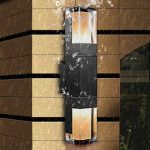
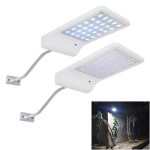
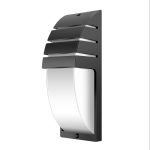

 Wall Lights





 Lamps


 Ceiling Lights




The D80 error on your LG Dryer means that airflow is restricted by 80%, indicating a severely blocked exhaust system. This requires immediate attention to prevent overheating, longer drying times, and potential fire hazards.
| Error code | D80 |
|---|---|
| Meaning | 80% airflow blockage in exhaust system |
| Severity | High — Can cause overheating, fire risk, and dryer damage |
| Time to fix | 30–90 minutes |
| Tools needed | Vacuum with hose attachment, dryer vent brush kit, screwdriver, flashlight |
What the D80 error means
The D80 error code indicates that your LG dryer has detected an 80% restriction in airflow through the exhaust vent system. This is part of LG’s Flow Sense system, which monitors exhaust efficiency to alert you when lint buildup or blockages are preventing proper ventilation. When airflow is this severely restricted, the dryer cannot properly expel hot, moist air, leading to longer drying times, overheating, increased energy consumption, and a serious fire hazard.
Common causes
- Severely clogged lint filter with accumulated lint, fabric softener residue, or debris
- Blocked or crushed exhaust vent hose behind the dryer restricting airflow
- Lint buildup inside the external exhaust vent pipe leading outside your home
- Blocked exterior vent hood or damper stuck closed due to lint accumulation or bird nests
- Excessively long or improperly installed vent ductwork with too many bends or turns
- Lint accumulation inside the dryer’s internal ductwork or blower housing
How to fix the D80 error
- Clean the lint filter thoroughly — Remove the lint filter and clean off all visible lint. Wash the filter with warm water and dish soap to remove fabric softener buildup that can create an invisible film blocking airflow. Rinse thoroughly, dry completely, and reinstall.
- Inspect and clean the vent hose — Unplug the dryer and pull it away from the wall. Disconnect the exhaust vent hose from both the dryer and the wall. Check for crushing, kinks, or lint blockages. Use a vacuum and vent brush to thoroughly clean the hose interior, or replace it if damaged.
- Clean the exterior vent — Go outside and locate your dryer vent exhaust. Remove the exterior vent cover and check for lint buildup, blockages, or stuck dampers. Use a dryer vent brush kit to clean the duct leading from outside, working as far in as possible. Ensure the damper opens freely.
- Clean the full vent system — For a thorough cleaning, use a rotary dryer vent brush kit that connects to a drill. Feed the brush through the entire vent system from inside or outside, breaking up and removing all lint buildup throughout the ductwork.
- Check vent configuration — Verify your vent ductwork is rigid or semi-rigid metal (not flexible plastic or foil), is as short and straight as possible (ideally under 25 feet with minimal bends), and has no dips where lint can accumulate. Replace with proper materials if needed.
- Test the dryer — Reconnect everything, plug the dryer back in, and run an empty cycle on air fluff or timed dry for 10 minutes. Hold your hand at the exterior vent to confirm strong, steady airflow. The D80 error should clear if airflow is restored.
FAQ
Can I continue using my dryer with the D80 error?
No, you should not continue using your dryer with a D80 error. An 80% airflow restriction creates a serious fire hazard from overheating lint and can damage the dryer’s heating element and thermostats. Address the blockage immediately before using the dryer again.
How often should I clean my dryer vent to prevent D80 errors?
You should clean your lint filter after every load and deep clean your entire dryer vent system at least once per year. If you do multiple loads daily, have pets, or use fabric softener sheets, consider cleaning the vent system every 6 months to prevent severe blockages.
Will the D80 error reset itself after cleaning the vents?
Yes, the D80 error should automatically clear once you’ve cleaned the exhaust system and restored proper airflow. After cleaning, run a test cycle and the error should disappear. If it persists despite thorough cleaning, the Flow Sense pressure sensor may be faulty and require professional service at a cost of $150–$300.