Light Bulbs

 Outdoor Lights
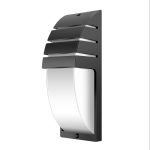

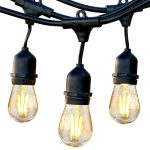
 Wall Lights




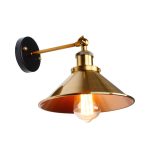

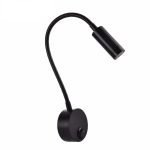

 Lamps



 Ceiling Lights






The E3 error on your Frigidaire means the ice room temperature sensor (found on French door models with an in-door ice system) has failed or is sending an unreadable signal to the main control board. In most cases the sensor itself has failed or a wiring connector has come loose, and either replacing the sensor or reseating its connector clears the fault.
| Error code | E3 |
|---|---|
| Meaning | Ice room temperature sensor fault or open/shorted circuit |
| Severity | Medium — ice production may stop but the fridge and freezer usually keep cooling |
| Time to fix | 15–40 minutes |
| Tools needed | Multimeter, screwdriver (Phillips or flat-head depending on model) |
What the E3 error means
Frigidaire refrigerators with an in-door ice dispenser use a dedicated ice room temperature sensor to monitor conditions inside the ice-making compartment. When the control board can’t get a valid resistance reading from this sensor — because it’s damaged, disconnected, or the wiring has broken — it displays the E3 code on the dispenser panel. This is different from the main cabinet sensors that trigger codes like the one covered in the Frigidaire EC Error Code: Causes and Fixes guide.
Common causes
- Faulty ice room temperature sensor (thermistor) that has failed internally
- Loose or corroded wiring connector at the sensor or control board
- Physical damage to the sensor wire from ice buildup or door movement
- Moisture or frost inside the sensor connector causing a short
- A failing main control board that misreads a normal sensor signal
- Sensor dislodged from its mounting clip, no longer reading air temperature correctly
How to fix the E3 error
- Power cycle the fridge — Unplug it for 5 minutes, then plug it back in. This resets the control board and can clear a temporary sensor communication glitch.
- Locate and inspect the ice room sensor — Open the freezer door and find the ice compartment; the sensor is usually clipped near the back wall or attached to the ice maker assembly.
- Check the wiring connector — Unplug and firmly reseat the sensor’s connector, checking for frost, moisture, or corrosion on the pins.
- Test sensor resistance with a multimeter — Compare the reading against the manufacturer’s temperature-resistance chart; a reading of zero or infinite ohms means the sensor has failed.
- Replace the ice room sensor — If it fails the resistance test, order the correct part number for your model and swap it in; this resolves the issue in most cases.
- Call an appliance technician — If a new sensor doesn’t clear the code, the control board itself may need diagnosis or replacement.
FAQ
Can I keep using my fridge with an E3 error showing?
Yes, usually. The main refrigerator and freezer compartments typically keep cooling normally; you may just lose ice production until the sensor is fixed.
Where exactly is the ice room sensor located?
It’s inside the freezer, near the ice maker in the door or top compartment, depending on your model. Check your owner’s manual for the exact spot, as placement varies between French door and side-by-side units.
Is E3 the same fault as the EC or CE codes?
No. E3 relates specifically to the ice room sensor, while codes like the ones in the Frigidaire CE Error Code: Causes and Fixes guide point to different sensor circuits, such as the freezer or fresh food compartments.