 Light Bulbs




 Outdoor Lights
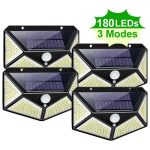
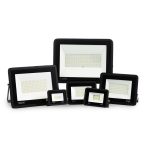
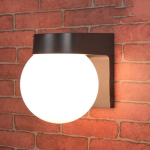

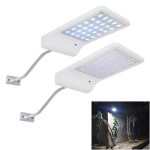

 Wall Lights





 Lamps





 Ceiling Lights






The F3E1 error on your Ge Oven means the control board has detected a problem with the oven temperature sensor (RTD) circuit — usually an open or shorted connection. Fix hint: this is often caused by a faulty sensor or a loose wire, and many homeowners can check and replace the part themselves.
| Error code | F3E1 |
|---|---|
| Meaning | Oven temperature sensor (RTD) circuit open or shorted |
| Severity | Medium — oven will not heat correctly or may shut down until fixed |
| Time to fix | 20–45 minutes |
| Tools needed | Multimeter, screwdriver |
What the F3E1 error means
Every GE oven uses a temperature sensor (also called an RTD probe) mounted at the back of the oven cavity to monitor internal heat and relay that data to the control board. The F3E1 code appears when the board reads a signal outside the normal resistance range, which it interprets as either an open circuit (no connection) or a short (too much connection).
This is a common code across GE electric wall ovens and ranges, and it almost always points to either the sensor itself, its wiring, or a control board fault — rather than a major mechanical issue.
Common causes
- A failed or degraded oven temperature sensor (RTD probe)
- Loose, corroded, or disconnected wiring at the sensor connector
- The sensor probe touching the oven wall, causing a short
- Damaged wiring harness from heat exposure over time
- A faulty main control board misreading a good sensor signal
- Moisture or food debris interfering with the sensor connection
How to fix the F3E1 error
- Power down the oven — Turn off power at the breaker for at least one minute before doing anything else. This resets the control board and protects you while inspecting parts.
- Locate and inspect the sensor — Open the oven and find the RTD probe at the back wall, usually near the top. Check that it isn’t touching the oven wall or bent out of position.
- Check the wiring connection — Pull the oven forward (carefully) or remove the back access panel to inspect the wire harness connecting to the sensor. Look for corrosion, looseness, or scorch marks.
- Test the sensor with a multimeter — At room temperature, a healthy GE oven sensor typically reads around 1,080 ohms. Refer to your model’s spec sheet for the exact value. A reading of zero or infinite ohms confirms a bad sensor.
- Replace the sensor if faulty — If resistance is out of range, order the correct replacement part for your model and swap it in; this is usually a simple two-screw job.
- Restore power and test — Turn the breaker back on, run a bake cycle, and watch for the F3E1 code to reappear. If it does after replacing the sensor, the control board may need professional diagnosis.
FAQ
Can I still use my oven with the F3E1 code showing?
No, most GE ovens will disable heating elements until the fault clears, so it’s best to address it before running a bake or roast cycle.
How much does a replacement oven sensor cost?
Parts typically range from £15–£40 ($20–$50) depending on the model, and it’s one of the more affordable oven repairs available.
Is F3E1 the same as other GE F3 codes?
Not exactly — F3 codes generally relate to the temperature sensor circuit, but the E1 suffix identifies a specific detail (open vs. shorted) that helps technicians pinpoint the exact fault faster.