Light Bulbs



 Outdoor Lights

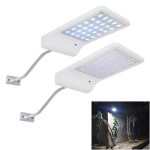
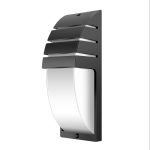


 Wall Lights


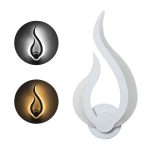

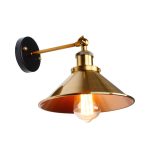


 Lamps





 Ceiling Lights







The F9 error on your Whirlpool Washer means the washer is taking too long to drain or failing to drain completely. This error typically indicates a drainage problem that needs immediate attention to prevent water damage.
| Error code | F9 |
|---|---|
| Meaning | Drain timeout or long drain condition detected |
| Severity | Medium — Washer won’t complete cycles until resolved |
| Time to fix | 20–60 minutes |
| Tools needed | Pliers, bucket, towels, flashlight, multimeter (optional) |
What the F9 error means
The F9 error code indicates that your Whirlpool washer has detected a drainage problem during the wash cycle. The washer’s control board monitors how long it takes to drain water, and if drainage exceeds the expected time frame (typically 8-10 minutes), it triggers this error. The washer is designed to stop the cycle to prevent overfilling, water backup, or potential flooding in your laundry room.
Common causes
- Clogged drain pump filter or debris trapped in the pump
- Kinked, blocked, or improperly installed drain hose
- Clogged standpipe or house drain line preventing proper drainage
- Faulty or failing drain pump motor that can’t move water efficiently
- Foreign objects stuck in the drain system (coins, small clothing items, lint buildup)
- Drain hose positioned too high or inserted too far into the standpipe
How to fix the F9 error
- Check and clean the drain pump filter: Unplug the washer and locate the drain pump filter access panel at the front lower section. Place towels and a shallow container underneath to catch water. Open the panel, slowly unscrew the filter counterclockwise, and remove any debris, coins, or lint. Rinse the filter thoroughly and reinstall it securely before testing the washer.
- Inspect the drain hose for blockages: Pull the washer away from the wall and disconnect the drain hose from the back of the machine and the standpipe. Check for kinks, clogs, or objects blocking the hose. Run water through it or use a plumbing snake to clear any obstructions. Ensure the hose isn’t inserted more than 8 inches into the standpipe and that it’s positioned between 39-96 inches above the floor.
- Test the standpipe and house drain: Pour a bucket of water directly into your standpipe to verify it drains quickly without backing up. If water drains slowly or backs up, the problem is with your home’s plumbing system, not the washer. You may need to clear the standpipe or call a plumber to address main drain line issues.
- Examine the drain pump for operation: Access the drain pump by removing the front or rear panel (depending on your model). Check for debris wrapped around the pump impeller. Manually rotate the impeller to ensure it spins freely. Use a multimeter to test the pump for continuity (should read 5-10 ohms). If the pump is clogged, damaged, or shows no continuity, replace it with a genuine Whirlpool part (typically costs $40-$80).
- Reset the washer and run a test cycle: After addressing the drainage issue, plug the washer back in and press the power button. Run a drain and spin cycle without clothes to verify the error is cleared. If the F9 error persists after all checks, the control board may need inspection by a professional technician, though this is rare.
FAQ
Can I reset my Whirlpool washer to clear the F9 error code?
Yes, you can try resetting by unplugging the washer for 5 minutes or pressing the pause/cancel button twice, then power. However, this only clears the code temporarily. If the underlying drainage problem isn’t fixed, the F9 error will return during the next drain cycle.
How much does it cost to fix an F9 error on a Whirlpool washer?
If you fix it yourself, costs range from $0 (clearing a simple clog) to $40-$80 for a replacement drain pump. Professional repair service typically costs $150-$300 including parts and labor. Most F9 errors can be resolved with basic DIY maintenance without needing a technician.
Is it safe to use my Whirlpool washer with an F9 error code?
No, you should not continue using the washer when the F9 error appears. Running the machine with a drainage problem can cause water to overflow, damage internal components, flood your laundry area, or lead to mold and mildew growth. Address the drainage issue before using the washer again.