 Light Bulbs
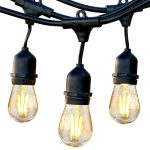
 Outdoor Lights
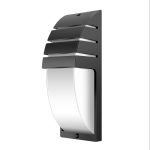

 Wall Lights


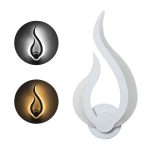

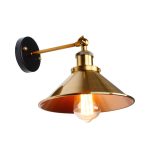

 Lamps


 Ceiling Lights






The E1 error on your Ge Washing means the machine has detected that water is taking too long to fill the drum, or the water level pressure sensor isn’t reading correctly. In most cases this points to a water supply problem or a blocked inlet valve, and it’s usually something you can check yourself before calling for service.
| Error code | E1 |
|---|---|
| Meaning | Long fill / water fill timeout — the washer hasn’t reached the required water level within its allowed fill time |
| Severity | Medium — the machine won’t complete a cycle until this is resolved, but it’s rarely a costly repair |
| Time to fix | 10–30 minutes |
| Tools needed | Adjustable pliers, towel, None (for most checks) |
What the E1 error means
Every GE washer fill cycle is timed. If the water level sensor doesn’t detect enough water in the drum within that window, the control board stops the cycle and displays E1 to protect the motor and prevent damage from running with insufficient water. This is different from a drain problem — it happens at the start of the wash, not the end.
The fault can be caused by something as simple as a low water pressure supply, or as specific as a stuck inlet valve or a faulty pressure switch. It’s similar in principle to the way an Ge Washing UE Error Code: Causes and Fixes flags a load balance issue rather than a mechanical failure — the machine is simply reporting that a condition wasn’t met in time.
Common causes
- Household water supply valves (hot/cold) not fully open
- Kinked, twisted, or crushed water inlet hoses
- Clogged inlet filter screens where hoses connect to the machine
- Low water pressure from the mains supply
- Faulty water inlet valve that won’t open fully
- Defective water level pressure sensor or its air tube
How to fix the E1 error
- Check both water taps: Make sure the hot and cold water supply valves behind the washer are turned fully open. Partially closed valves are the most common cause of this error.
- Inspect the hoses for kinks: Pull the washer out slightly and straighten any bent or twisted inlet hoses. Replace any hose that’s cracked or pinched.
- Clean the inlet filter screens: Turn off the water supply, disconnect the hoses at the back of the machine, and remove any debris from the small mesh filters using an old toothbrush or pliers.
- Test your water pressure: Run a nearby tap on full — if the flow is weak, the problem may be with your home’s plumbing rather than the washer.
- Power cycle the machine: Unplug the washer for 60 seconds, plug it back in, and start a new cycle to see if the error clears once the supply issue is fixed.
- Call a technician for the valve or sensor: If water flow is fine and the error persists, the inlet valve or pressure sensor likely needs professional testing and replacement.
FAQ
Can I still use my washer if it shows E1?
No, the cycle will pause until the water level requirement is met, so the wash won’t complete properly until the fault is cleared.
Does E1 mean I need a new water inlet valve?
Not necessarily. Most E1 errors are caused by closed taps, kinked hoses, or clogged filters rather than a broken valve — check these first.
Is E1 related to drainage problems like the FL or OE codes?
No. E1 is a fill-side issue, whereas codes covered in Ge Washing OE Error Code: Causes and Fixes relate to draining, and Ge Washing FL Error Code: Causes and Fixes covers a different long-fill flag on some models.