Light Bulbs


 Outdoor Lights


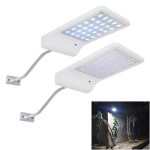
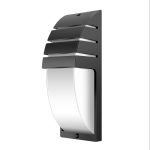

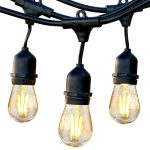
 Wall Lights


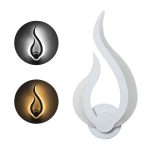



 Lamps





 Ceiling Lights






The LC error on your Frigidaire means the dishwasher’s leak detection system has found water where it shouldn’t be, usually pooled in the base pan. The unit stops the wash cycle automatically to protect itself, so check under and around the dishwasher for water before doing anything else.
| Error code | LC |
|---|---|
| Meaning | Leak detected — the float switch or leak sensor in the base of the unit has been triggered |
| Severity | High — continued use can cause water damage to flooring and cabinets |
| Time to fix | 15–45 minutes |
| Tools needed | Towels, flashlight, adjustable pliers, level (optional) |
What the LC error means
Frigidaire dishwashers have a leak detection system built into the base pan that watches for standing water. When it senses moisture, it trips a float switch or sensor, which stops the cycle and displays the LC code to warn you. This is a safety feature designed to prevent flooding, not a sign that the whole machine has failed.
The leak itself can come from several places: a loose hose connection, a worn door gasket, over-sudsing from the wrong detergent, or a cracked component inside the tub. Finding the actual source is the key step before resetting anything.
Common causes
- Water pooling in the base pan from a loose or cracked hose connection
- A worn, torn, or dirty door gasket letting water leak out during the wash
- Too much detergent or the wrong type causing excess suds that overflow
- The dishwasher not sitting level, causing water to collect on one side of the pan
- A cracked tub, spray arm, or pump housing allowing water to escape
- A faulty float switch or leak sensor that triggers even without a real leak
How to fix the LC error
- Turn off power and water: Switch off the dishwasher at the breaker and shut off the water supply valve before inspecting anything, to avoid further leaking.
- Check the base pan for water: Remove the lower kick plate panel and look inside with a flashlight. Soak up any standing water with towels and dry the pan completely.
- Inspect hose connections: Follow the inlet and drain hoses to check for loose clamps, cracks, or kinks. Tighten any loose fittings with pliers and replace damaged hoses.
- Examine the door gasket: Run a finger along the rubber seal around the door for tears, gaps, or food debris. Clean it with warm soapy water or replace it if it’s damaged.
- Check for over-sudsing: Confirm you’re using dishwasher-specific detergent, not dish soap, and reduce the amount used if suds have been overflowing.
- Level the unit and reset: Use a level to check the dishwasher sits evenly, adjust the feet if needed, then restore power. If the LC code reappears with no visible leak, the float switch may need replacing.
FAQ
Can I keep using the dishwasher after an LC error?
It’s best not to until you’ve found and fixed the leak source, since running it again could cause water damage to your floor or nearby cabinets.
Why does the LC code appear even when I can’t see any water?
Small leaks can dry up between cycles, or the float switch itself may be faulty and triggering false alerts. Check the sensor and its wiring if the pan is consistently dry.
Does the LC error mean I need a new dishwasher?
No, in most cases it’s a fixable issue like a loose hose, bad gasket, or over-sudsing. Full unit replacement is rarely needed unless the tub itself is cracked.