Light Bulbs

 Outdoor Lights
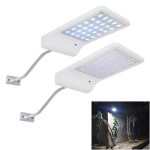
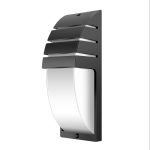

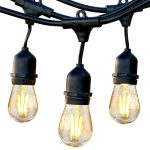
 Wall Lights


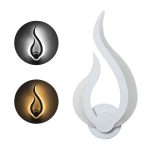



 Lamps




 Ceiling Lights





The E06 error on your Beko Dryer means the motor is experiencing a problem or the motor speed sensor has detected an issue. This error typically requires checking the motor, drive belt, and electrical connections to restore normal operation.
| Error code | E06 |
|---|---|
| Meaning | Motor fault or motor speed sensor error |
| Severity | High — Dryer will not operate until resolved |
| Time to fix | 20–60 minutes |
| Tools needed | Multimeter, screwdriver set, flashlight |
What the E06 error means
The E06 error code indicates that your Beko dryer’s control board has detected a malfunction with the drum motor or its associated components. This error occurs when the motor fails to reach the correct speed, stops unexpectedly during operation, or the motor’s tachometer sensor cannot properly read the motor’s rotational speed. The dryer will not run with this error displayed, as it’s a safety feature to prevent potential damage to the appliance or overheating situations.
Common causes
- Worn or broken drive belt preventing the drum from rotating properly
- Faulty motor speed sensor (tachometer) unable to detect motor rotation
- Failed or defective drum motor requiring replacement
- Loose or corroded electrical connections to the motor or control board
- Overloaded drum causing excessive strain on the motor
- Seized drum bearings or blocked drum causing motor to stall
How to fix the E06 error
- Unplug the dryer and check for overloading: Disconnect power and remove laundry from the drum. An overloaded dryer can strain the motor and trigger the E06 error. Try running the dryer empty after waiting 5 minutes to see if the error clears.
- Inspect the drive belt: Remove the front or top panel of the dryer to access the drum and motor. Check if the drive belt is intact, properly positioned on the pulleys, and not excessively worn or broken. Replace the belt if it’s damaged or has slipped off.
- Test the motor and tachometer sensor: Locate the motor at the base of the dryer and inspect the tachometer (small disc on the motor shaft). Clean any dust or debris from the sensor. Use a multimeter to test the motor for continuity. The motor should show resistance between 3-6 ohms; if it shows infinite resistance or zero, the motor is faulty.
- Check electrical connections: Examine all wire connectors leading to the motor and control board. Look for loose, corroded, or damaged wires. Reconnect any loose connections and clean corroded terminals with electrical contact cleaner.
- Inspect drum rotation: Manually rotate the drum by hand to check for obstructions or resistance. The drum should spin freely with minimal effort. If it’s difficult to turn, check for seized bearings, foreign objects, or drum support issues.
- Replace the motor if necessary: If all other components check out and the motor tests faulty, you’ll need to replace the drum motor. Order a genuine Beko replacement motor matching your model number, disconnect all electrical connections and mounting bolts, and install the new motor following the manufacturer’s instructions.
FAQ
Can I reset the E06 error code on my Beko dryer?
Yes, you can attempt to reset the error by unplugging the dryer for 5-10 minutes, then plugging it back in. However, if the underlying motor or sensor problem still exists, the E06 error will return when you try to operate the dryer. A reset only works if the error was triggered by a temporary glitch.
How much does it cost to fix a Beko dryer E06 error?
The repair cost varies depending on the cause. A drive belt replacement typically costs $100-$200 including labor, while a motor replacement ranges from $200-$400. If you’re comfortable doing the repair yourself, a replacement belt costs $15-$30 and a motor costs $80-$150. Professional diagnosis typically runs $75-$100.
Is it safe to continue using my Beko dryer with an E06 error?
No, you should not attempt to use the dryer when the E06 error is displayed. The error indicates a motor fault that prevents safe operation. Attempting to bypass or ignore this error could result in motor damage, electrical issues, or potential fire hazards. Address the problem before resuming normal use.