Light Bulbs

 Outdoor Lights

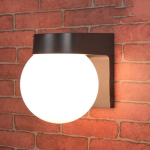
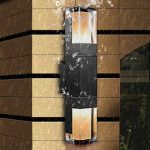

 Wall Lights




 Lamps




 Ceiling Lights






The 5D error on your Whirlpool Washer means excessive suds have been detected in the drum. This occurs when too much detergent is used, the wrong type of detergent is added, or drainage issues prevent suds from clearing properly.
| Error code | 5D |
|---|---|
| Meaning | Excessive suds detected (Sud Lock) |
| Severity | Low — Washer will pause until suds dissipate, but repeated occurrences can damage components |
| Time to fix | 5–45 minutes |
| Tools needed | None (towels may be helpful) |
What the 5D error means
The 5D error code (sometimes displayed as SD or Sud) indicates that your Whirlpool washer has detected too many suds inside the drum. When excessive foam is present, the washer cannot properly sense the load or drain effectively. The machine will pause the cycle and wait for the suds to naturally dissipate before continuing, which can significantly extend wash times.
Common causes
- Using too much laundry detergent, especially high-efficiency (HE) detergent
- Using regular detergent instead of HE detergent in an HE washer
- Using laundry additives, fabric softeners, or detergent boosters excessively
- Washing heavily soiled items that retain detergent residue from previous washes
- Clogged drain pump or drain hose restricting water and suds from exiting properly
- Soft water conditions causing detergent to create more suds than expected
How to fix the 5D error
- Let the washer resolve the error automatically — Allow the machine to sit for 5–10 minutes without intervention. The washer will attempt to drain and dissipate suds on its own. The cycle may resume automatically once suds levels drop. Do not add more water or open the door during this process.
- Reduce detergent usage immediately — Use only 1–2 tablespoons of HE detergent per load, or follow the detergent manufacturer’s recommendations for your water hardness. If you have soft water, use even less detergent. Always use HE (High Efficiency) detergent in HE washers, as regular detergent produces excessive suds.
- Run a cleaning cycle without detergent — If suds persist after the initial cycle, run an empty wash cycle using hot water with no detergent to flush out residual soap from the drum, hoses, and pump. You can add 1 cup of white vinegar to help break down detergent buildup. Repeat if necessary.
- Check and clean the drain system — Inspect the drain pump filter (usually located behind a small access panel at the front bottom of the washer) and remove any debris or buildup. Check the drain hose for kinks or clogs that could trap suds and prevent proper drainage. Clear any obstructions found.
- Remove excess suds manually if needed — If the error persists and suds are visible, pause the cycle, open the door carefully, and scoop out excess foam with towels. Add a capful of fabric softener to help break down suds, then restart the cycle on drain and spin mode.
- Prevent future occurrences — Measure detergent carefully using the cap or dispenser markings. Pre-treat stains instead of adding extra detergent. Avoid using non-HE detergents, and consider switching to liquid detergent if powder formulas consistently create excessive suds in your water conditions.
FAQ
Is the 5D error the same as SD or Sud error?
Yes, the 5D, SD, and Sud error codes all indicate the same issue on Whirlpool washers—excessive suds detected. The different displays occur because the digital readout can sometimes be misread, but all three codes mean your washer has too much foam and requires the same troubleshooting steps.
Can I continue using my washer when the 5D error appears?
The washer will automatically pause and attempt to resolve the issue by waiting for suds to dissipate. You can allow it to complete this process, which may take 20–30 minutes, but the best approach is to address the root cause by reducing detergent usage. Repeatedly ignoring this error can lead to poor wash performance and potential damage to the drain pump.
How much HE detergent should I actually use in my Whirlpool washer?
Use only 1–2 tablespoons of HE detergent for regular loads, regardless of what the detergent packaging suggests. Modern HE washers use significantly less water than traditional machines, so they require much less detergent. For heavily soiled loads, increase to 3 tablespoons maximum, and reduce to 1 tablespoon if you have soft water.